Can a Teacher Without Aviation Experience Teach a Drone Course?

Originally published February 3, 2024 by Jerry White | Updated October 2026 by the DARTdrones Team
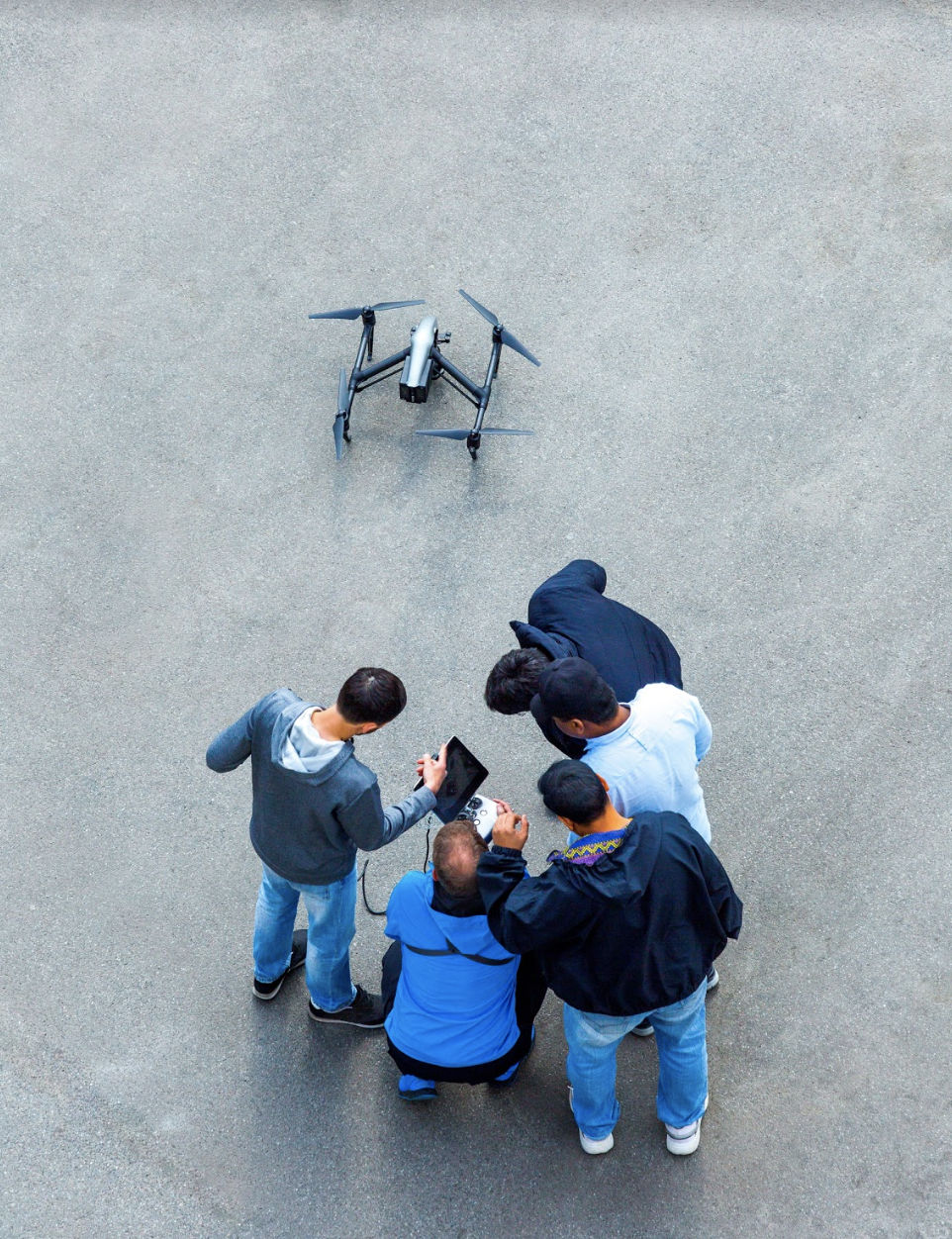
Teaching a drone course can feel intimidating for educators who do not come from an aviation background. But previous aviation experience does not have to be a prerequisite for leading a successful high school drone program.
Teachers can build the knowledge and flight skills they need through structured training, hands-on practice, a teacher-ready curriculum, and ongoing support.
The goal is not for a teacher to know everything about drones before they begin. It is to give them a strong enough foundation to teach safely, answer student questions, demonstrate essential skills, and continue building their own experience as the program develops.
Start With a Structured, Teacher-Ready Curriculum
For a teacher who is new to drones, a structured curriculum can eliminate much of the uncertainty around what to teach, when to teach it, and how classroom instruction should connect to hands-on flight activities.
The DARTdrones Intro to Drones Course includes:
- Year at a Glance
- Detailed Lesson Plans
- Answer Guides
- Exercise and Activity Outlines
- Teacher Guides
- Materials Lists
This turnkey curriculum takes the guesswork out of lesson planning and ensures educators have the resources to provide quality instruction.
A strong curriculum should also give teachers a clear progression from aviation fundamentals and safety into Part 107 preparation, hands-on flight, real-world missions, and career exploration.
Resources should also explain unfamiliar aviation and drone concepts clearly, giving teachers materials they can review themselves before presenting the information to students.
Teacher Preparation Should Include Hands-On Flight
Classroom materials alone cannot fully prepare a teacher to lead drone flight activities. Educators should have opportunities to develop their own hands-on flight skills before they begin supervising students.
Teachers can start with microdrones and basic maneuvers, building the motor skills and confidence needed to progress toward larger aircraft and more advanced operations.
 Instructor Insight:
Teachers who begin with little or no aviation experience can succeed, but they need a strong foundation before they start teaching. That preparation should include Part 107 knowledge and hands-on flight training so they can confidently demonstrate the skills they are asking students to learn.
DARTdrones’ current teacher professional-development programs include Part 107 instruction, equipment basics, hands-on flight, emergency procedures, autonomous flight, and instruction on teaching the Intro to Drones curriculum.
Check out Professional Development for Teachers
Teachers Also Need Ongoing Support
Teacher preparation should not end when the course begins.
Questions about curriculum, equipment, Part 107 material, or student flight activities can arise throughout the school year, especially for educators who are still developing their own aviation experience.
Support should be easy for teachers to access when they actually need it. Teachers already have busy schedules, so on-demand resources and assistance can often be more practical than adding another scheduled meeting.
The goal is to give teachers somewhere to turn when a question arises while helping them become increasingly confident and independent over time.
How Important Is Part 107 Knowledge for the Teacher?
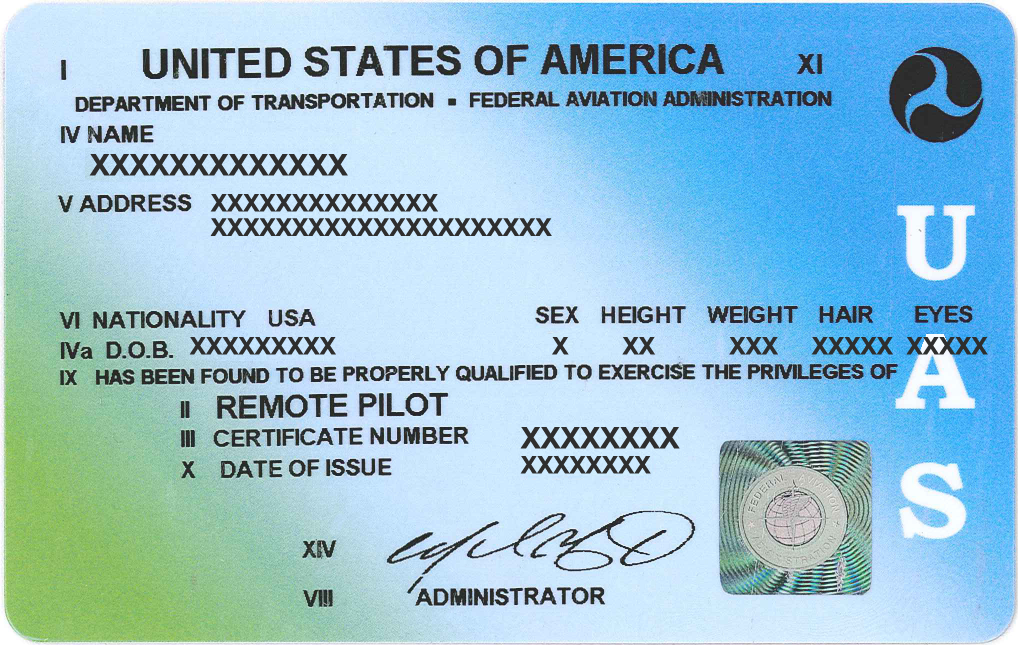 If students are learning FAA Part 107 material, the teacher should have a strong understanding of the same aviation concepts.
DARTdrones instructors recommend that teachers who are teaching Part 107 preparation earn their own Remote Pilot Certificate. Going through the process themselves gives educators firsthand experience with the material and the certification path their students may eventually follow.
Whether a teacher is legally required to hold a Remote Pilot Certificate for a particular school flight depends on how that operation is being conducted. The FAA says educational drone operations may operate under Part 107 or, for qualifying educational organizations under certain conditions, the limited recreational exception. Schools should determine which rules apply to their specific program and flight activities.
Keep the Course Hands-On and Engaging
Knowing the material is only part of teaching a successful drone course. Students also need opportunities to use what they are learning.
DARTdrones recommends making hands-on flight a substantial part of the classroom experience. Students can begin with microdrones, obstacle courses, and basic flight exercises before progressing into more advanced missions.
Real-world projects can include photography or video for school organizations, automated missions, mapping, and photogrammetry.
The goal is to help students connect Part 107 knowledge, safety, flight skills, and technology rather than experiencing each subject as a separate lesson.
What Makes a Teacher a Good Fit for a Drone Course?
A school does not necessarily need to find a teacher who is already an experienced drone pilot. Interest and willingness to learn matter.
Teachers leading these programs benefit from genuine curiosity about aviation and drones and a willingness to invest time in developing their own skills. A teacher who is intimidated by the technology or uninterested in making the course interactive may have a more difficult time creating an engaging program.
Schools should therefore consider teacher fit alongside previous experience when deciding who will lead the course.
A Teacher’s Perspective
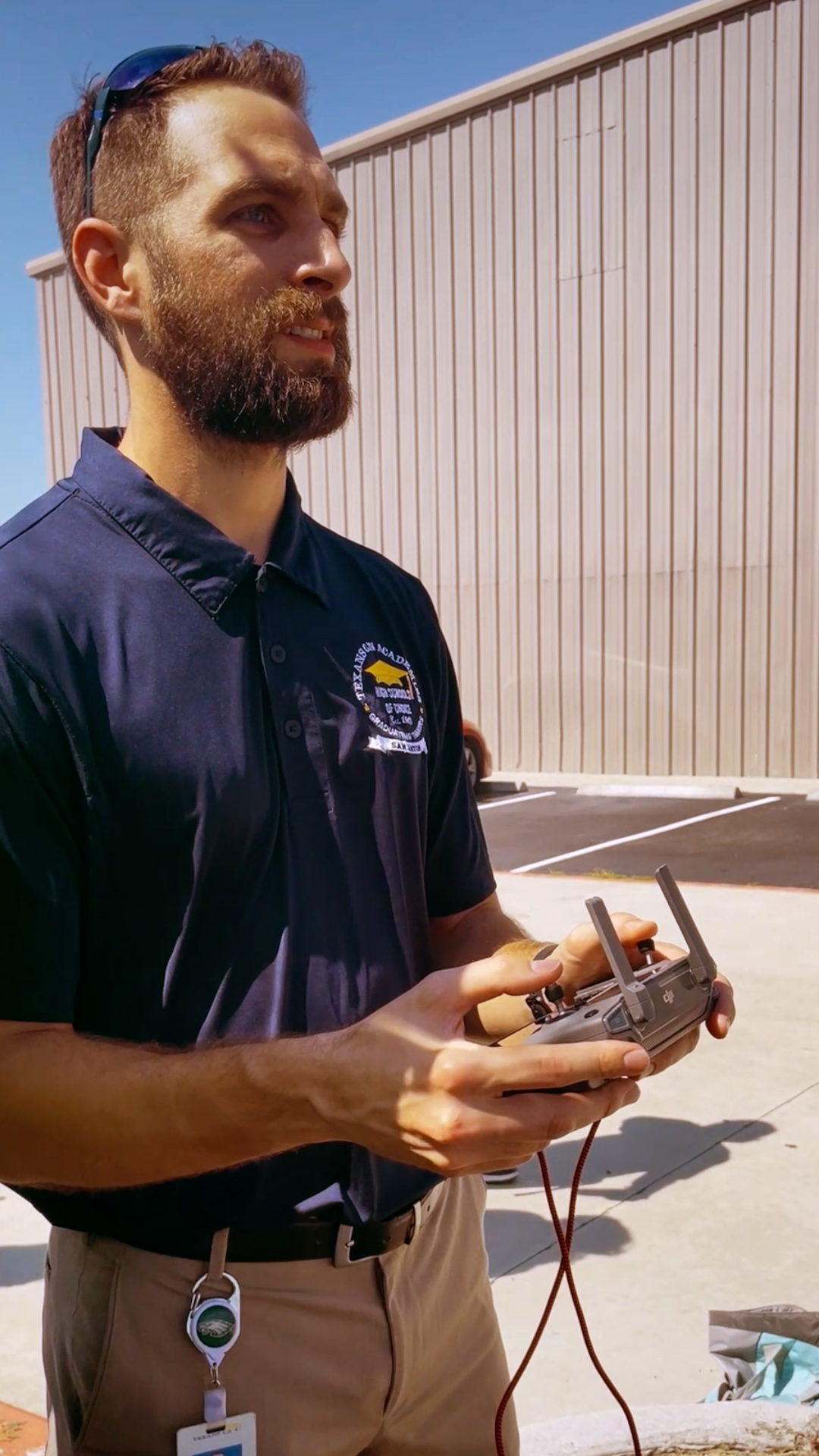
One high school teacher using DARTdrones’ curriculum shared that the structured course made it possible for him to teach drones even though he began with limited prior drone knowledge and experience.
His experience reinforces an important point: teachers do not have to begin as drone experts to lead a successful program. A structured curriculum and the right support can help educators build their own knowledge and confidence as they teach.
You Don’t Need to Start as an Aviation Expert
Teaching drones requires preparation, but teachers do not need years of aviation experience before they can lead a successful program.
A strong foundation can include:
- Structured curriculum
- Part 107 knowledge
- Hands-on flight practice
- Drone safety preparation
- Teacher professional development
- Access to ongoing curriculum and technical support
With the right preparation, educators can continue building their own skills while helping students build theirs.
If your school is still in the planning stage, start with How to Start a High School Drone Program: A Step-by-Step Guide.
Explore High School Drone Curriculum
Explore Teacher Professional Development
Schedule a Call
Frequently Asked Questions
Can a teacher teach drones without previous aviation experience?
Yes. Previous experience can help, but teachers can develop the necessary aviation knowledge and flight skills through structured training, hands-on practice, curriculum resources, and ongoing support.
Should a drone teacher know how to fly before teaching students?
Teachers should develop basic hands-on flight competence before leading student flight activities so they can demonstrate skills, supervise operations, and respond when students need assistance.
Does a teacher need Part 107 to teach drones?
Not necessarily. The FAA rules that apply depend on how the school’s drone operations are conducted. DARTdrones recommends that teachers teaching Part 107 material earn the credential themselves, and schools should verify which FAA rules apply to their planned operations. Federal Aviation Administration
What training can help a new drone teacher?
Preparation can include Part 107 knowledge, hands-on flight training, safety procedures, equipment familiarity, curriculum orientation, and practice leading student flight activities.